CNC

CNC Bangladesh

What We Do

Our Services

From nitrogen purging to cryogenic equipment repair, installation, cylinder testing -engineered, fabricated and commissioned by our expert team across Bangladesh

Nitrogen Purging
01

Nitrogen Purging

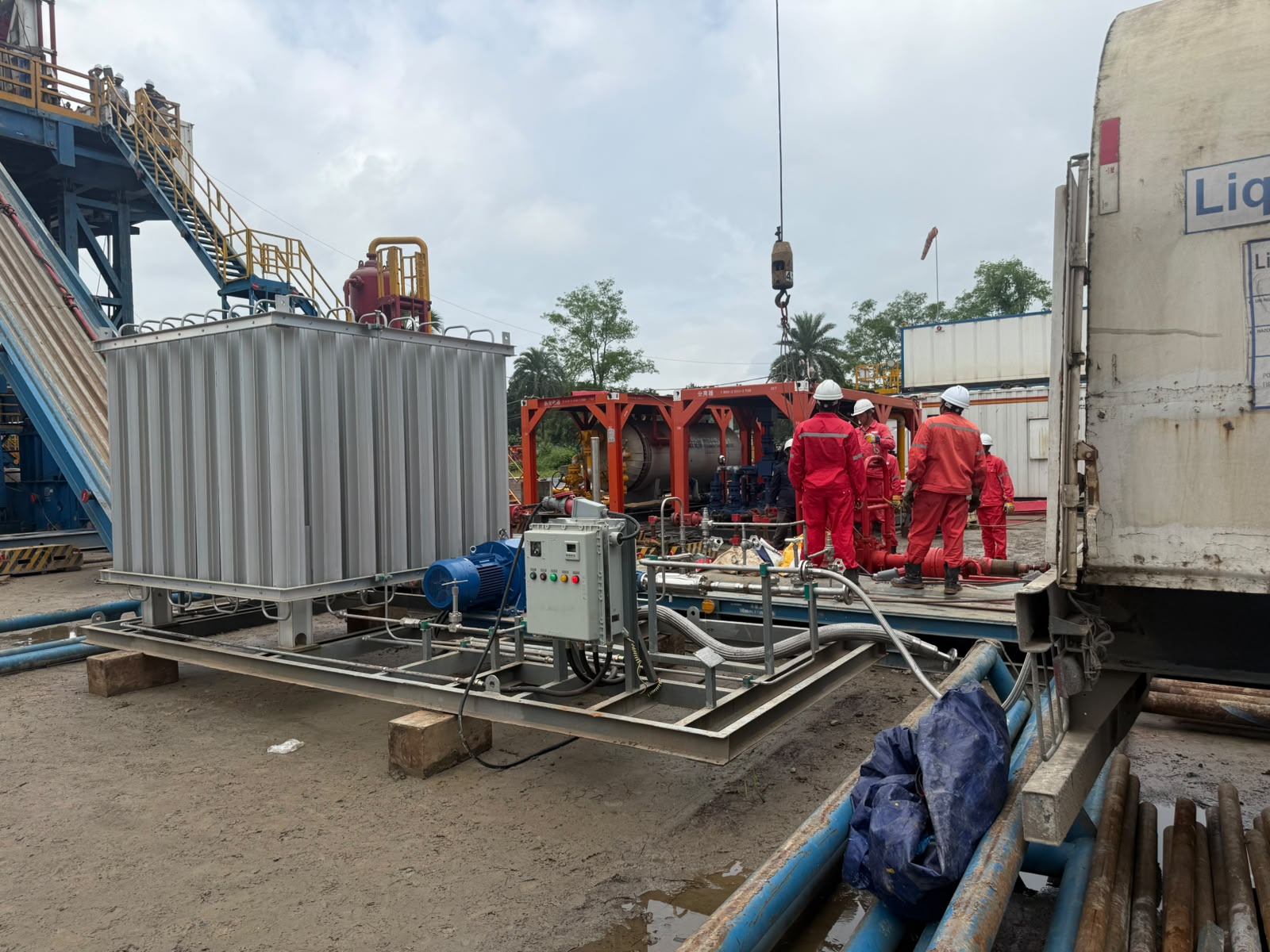
Nitrogen (N₂) purging is the process of replacing oxygen, moisture or other unwanted gases inside equipment, pipelines, vessels or process systems with nitrogen. Because nitrogen is relatively inert and dry, it is widely used during commissioning, shutdown, maintenance and product changeover. Nitrogen PurgingRemove / displace unwanted gas or air and establish an inert atmosphere Nitrogen LiftingReduce hydrostatic pressure in the well to help bring liquids / gas to surface Nitrogen DisplacementReplace one fluid with another Nitrogen Kick-offAssist a well in starting / restarting production High-Pressure Nitrogen Purging (20 – 340 barg) For a natural-gas well, the nitrogen injection pressure, rate, quantity, injection point and acceptance criteria cannot safely be selected from well depth alone — they depend on wellhead pressure, reservoir pressure, tubing / casing dimensions, completion configuration, wellbore fluids, MAWP, temperature and the intended operation. For high-pressure purging we raise pressure from 20 to 340 barg. Nitrogen may be generated from liquid nitrogen (LIN) and vaporized / pressurized as required, or supplied as high-pressure gaseous nitrogen. A high-pressure nitrogen system may include: Liquid nitrogen storage tank / tanker Cryogenic nitrogen pump Ambient or steam / electric vaporizer High-pressure nitrogen manifold and pressure-control valve Check / non-return valves, isolation valves and relief protection Flexible high-pressure hoses or rigid piping Flowmeter, pressure and temperature instrumentation Gas analyzer / O₂ analyzer Emergency shutdown system Low-Pressure Nitrogen Purging (0.5 – 12 barg) Low-pressure nitrogen purging removes oxygen, combustible gas, moisture or air from a pipeline or LPG vessel before commissioning, maintenance, shutdown or return to service. Nitrogen provides an inert atmosphere and reduces the risk of fire and explosion. For low-pressure purging we raise pressure from 0.5 to 12 barg; the actual purge pressure is established from the equipment design and operating procedure. Typical sequence for an LPG / natural-gas pipeline: Isolate the pipeline from the LPG / gas source. Drain or depressurize the line as required by the operating procedure. Connect nitrogen through a regulated low-pressure connection. Introduce nitrogen at a controlled rate. Displace the existing atmosphere through a safe vent point. Monitor the outlet for oxygen concentration, hydrocarbon concentration (where applicable) and nitrogen pressure. Continue purging until the specified acceptance criterion is reached. Isolate nitrogen and maintain the required inert condition. For a line containing LPG, the vented LPG / nitrogen mixture is routed to a location where it cannot create an ignition or exposure hazard, and the purge pressure never exceeds the allowable pressure of the pipeline / tank or the rating of its weakest connected component.

Read More
Cryogenic Tank Maintenance/Repair
02

Cryogenic Tank Maintenance/Repair

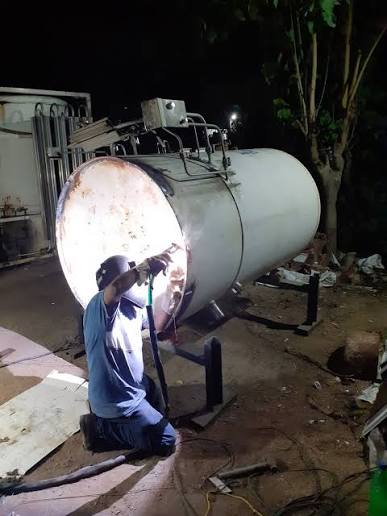
Cryogenic tank maintenance and repair services ensure the optimal performance and safety of cryogenic storage systems. These services typically include vacuum insulation repairs, helium leak detection, structural refurbishment, valve and piping maintenance, and periodic inspections. They are essential for preserving the integrity of tanks used to store liquefied gases at extremely low temperatures, preventing leaks, corrosion, and operational failures. Whether performed on-site or in specialized facilities, these services help extend the lifespan of cryogenic tanks and maintain their efficiency.

Read More
Vacuum Jacketed Pipeline
03

Vacuum Jacketed Pipeline

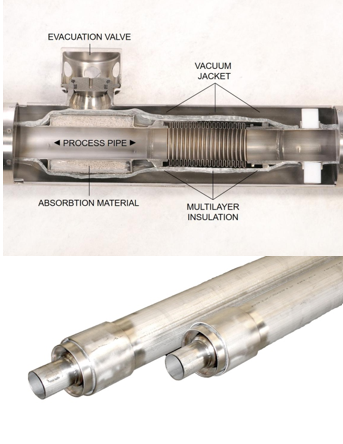
Vacuum jacketed piping (VJP) is a dual-pipe system with an inner carrier pipe for supercooled cryogenic liquids like liquid nitrogen (-320°F or -196°C) and an outer jacket with an evacuated space to eliminate heat transfer. Inner Pipe: Carries the cryogenic liquid nitrogen and is usually made of 300-series stainless steel designed for extreme cold.Annular Space: The gap between the inner and outer pipes where air is evacuated to form a high-vacuum thermal barrier (often below 10⁻⁴ torr)Super-Insulation: Multiple layers of reflective radiation foil wrapped around the inner pipe to block radiant heat transferOuter Jacket: A protective outer metal shell that maintains the vacuum seal and supports the entire assembly.Installation and Assembly Steps:Alignment and Positioning: Place the dual-wall sections according to engineering drawings and slip a protective outer sleeve or coupling over the joint area.Inner Weld: Weld the inner flow pipes together first and complete required non-destructive testing or inspections.Jacket Closure:  Slide the outer sleeve over the welded inner joint, making sure any vacuum or fill nozzles face upward.Outer Weld: Fully weld the girth seams on both sides of the outer sleeve to seal the outer jacket.Evacuation and Sealing:Evacuate the annular space or seal the system depending on whether it is a dynamic or factory-sealed setup.

Read More
Fabrication of Pipelines, Manifold, Gas Skids
04

Fabrication of Pipelines, Manifold, Gas Skids

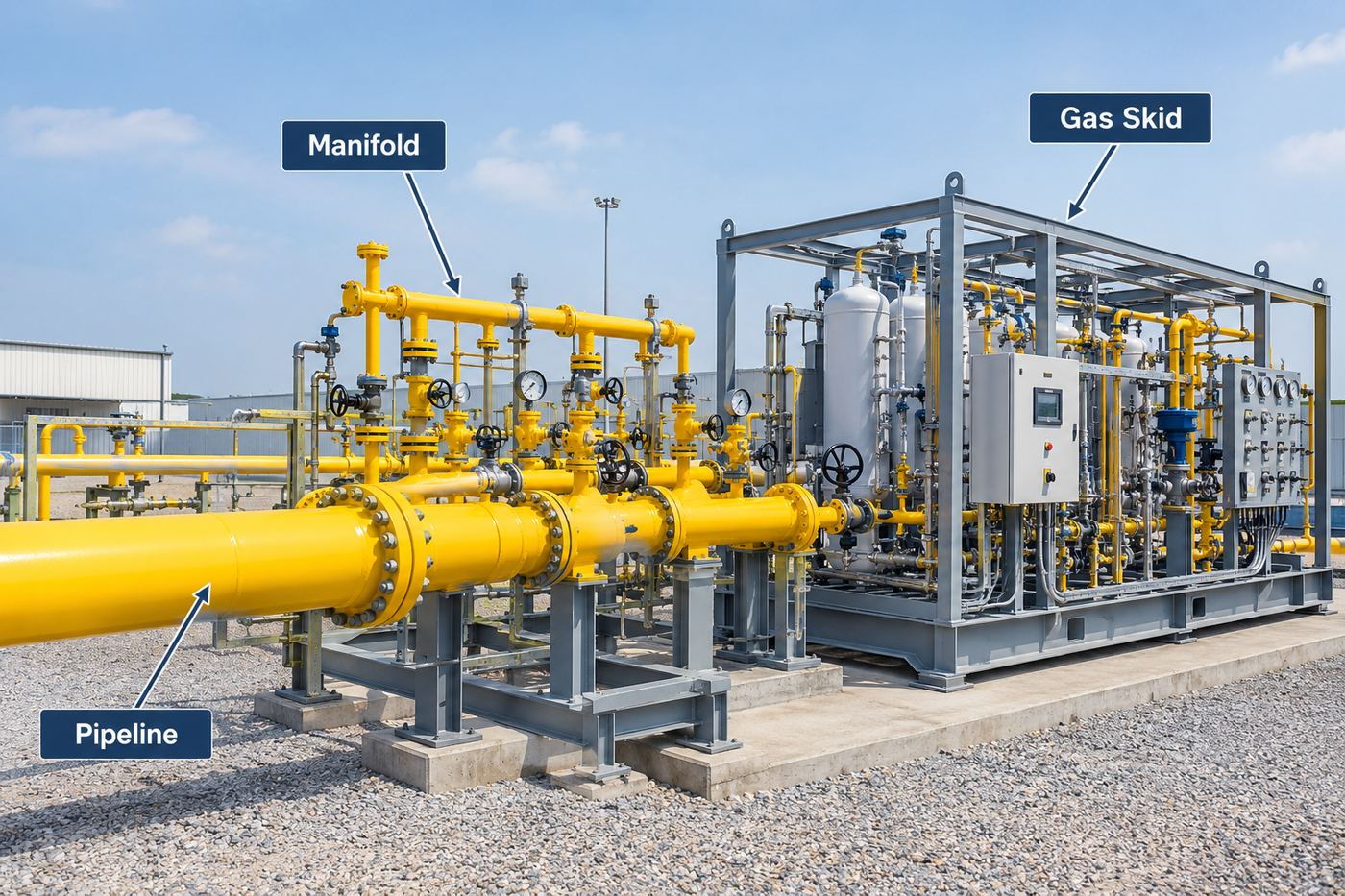
Fabricating gas pipelines, manifolds, and gas skids involves designing and constructing custom systems for the efficient transport, distribution, and regulation of gases. These solutions are tailored for industries such as petrochemicals, healthcare, and energy, ensuring optimal safety, performance, and compliance with industry standards. Gas pipelines provide a secure channel for gas flow, manifolds distribute gases across multiple points, and gas skids integrate equipment for storage, metering, or pressure control in a compact, modular format. This service supports operational efficiency and reliable gas management in industrial applications.

Read More
Cylinder Testing
05

Cylinder Testing

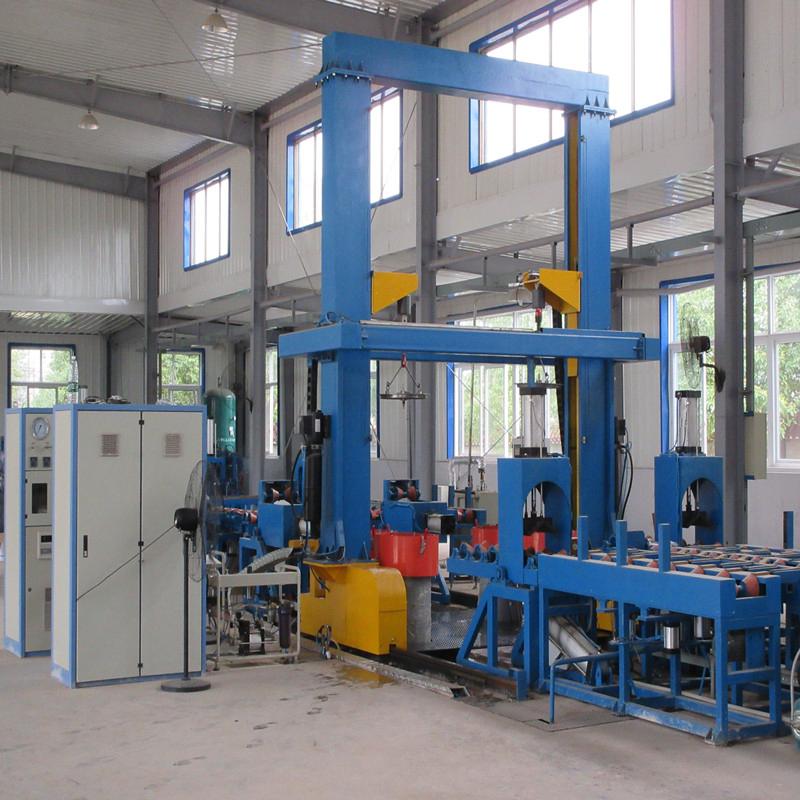
CNC Bangladesh Limited operates a professional Cylinder Test Shop for the inspection and testing of industrial and permanent gas cylinders, in accordance with applicable standards and regulatory requirements.Our ServicesVisual inspectionValve and cylinder condition checkingHydrostatic pressure testingLeakage inspectionDryingIdentification, marking & test documentationWe focus on maintaining cylinder integrity and identifying cylinders that are unsafe or unsuitable for further service. Our trained personnel follow controlled testing procedures with appropriate equipment to ensure safety, reliability, traceability and compliance throughout the cylinder testing process.

Read More
High Pressure Gas Filling, 300 Bar
06

High Pressure Gas Filling, 300 Bar

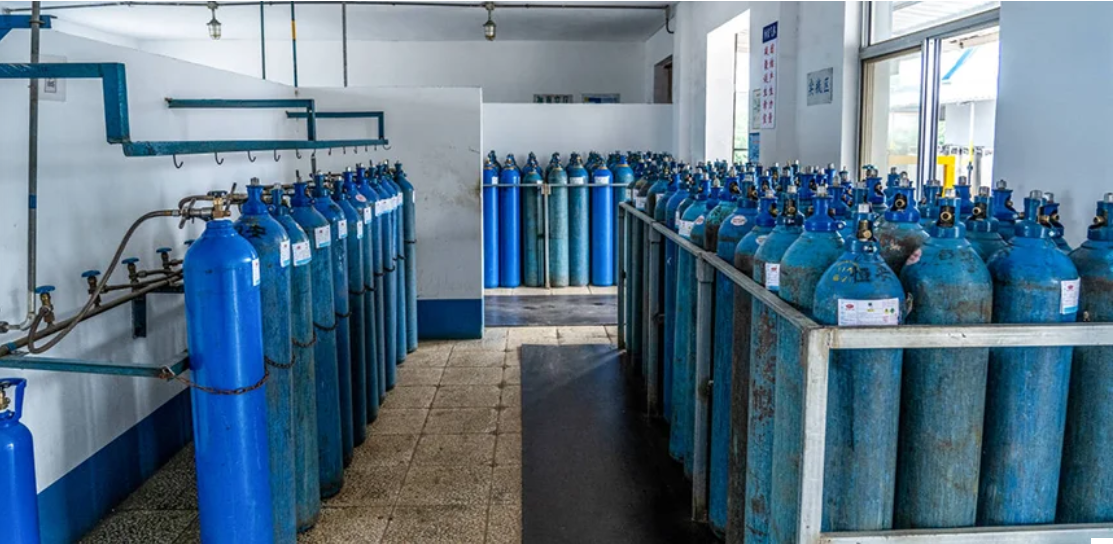
High-pressure gas filling is the controlled filling of gas cylinders or storage vessels to pressures of up to 300 bar using specialized compressors, filling manifolds, valves, and safety systems.Key FeaturesFilling pressure up to 300 barHigh-precision pressure monitoring and controlRobust filling manifolds and high-pressure connectionsLeak detection and pressure safety systemsSuitable for industrial and commercial gas applicationsControlled and standardized filling proceduresAdvantages:Efficient storage of large quantities of gas in a compact spaceReduces the frequency of cylinder replacement or refillingSuitable for high-demand industrial applicationsProvides consistent and controlled gas supplyOptimizes transportation and storage efficiency

Read More
VIE/Pump/Cylinder Filling Station installation & commissioning
07

VIE/Pump/Cylinder Filling Station installation & commissioning

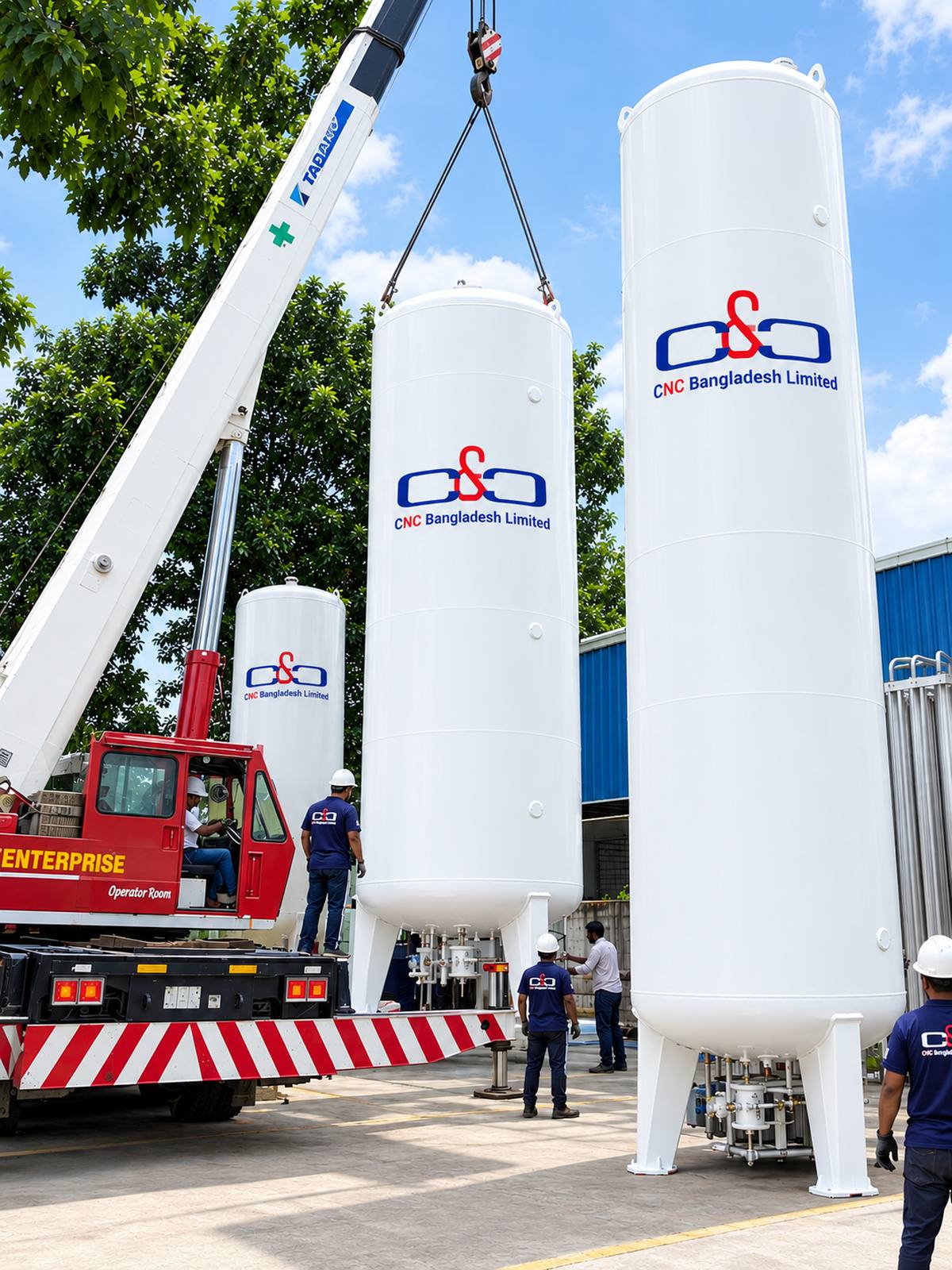
The installation and commissioning of VIE (Vacuum Insulated Evaporator), pump, and cylinder filling stations involve setting up systems for the efficient storage, transfer, and filling of industrial or medical gases. This service includes assembling and calibrating equipment such as cryogenic pumps, storage tanks, and filling stations, ensuring they operate safely and meet industry standards. The commissioning process involves testing and fine-tuning the system to ensure optimal performance, reliability, and compliance with safety regulations. This service is essential for industries requiring precise gas handling and distribution solutions.

Read More
Cryo-freezing
08

Cryo-freezing

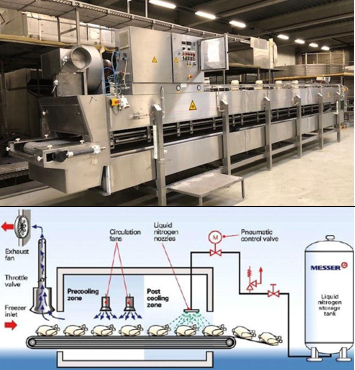
Cryogenic freezing is a rapid cooling / freezing process that uses extremely cold cryogenic fluids — typically liquid nitrogen (LN₂, about −196°C) or liquid carbon dioxide (LCO₂, about −78.5°C) — to freeze products quickly. Liquid nitrogen is injected into the freezer through spray nozzles, where it rapidly vaporizes and absorbs heat from the product. Advantages Very rapid freezing Small ice crystals — generally better product quality Lower dehydration / freezer burn Compact equipment Suitable for products sensitive to conventional slow freezing Rapid startup and shutdown Can be integrated with continuous production lines

Read More

Need a specialized gas system?

Tell us about your project — our engineers will design, fabricate and commission the perfect solution.
Request A Quote